
Blog
Seasonal Roofing Insights for Homeowners in Gettysburg, PA
Weather Patterns and How They Affect Shingles, Flashing, and Gutters
Gettysburg’s four-season climate can be tough on shingles, sealants, and metal components. Freeze-thaw cycles can loosen flashing, summer heat can dry out asphalt surfaces, and autumn leaves can clog gutters, forcing water back under edges. Understanding these local stressors helps homeowners spot early warning signs before they turn into bigger headaches. When concerns pop up, many residents turn to roofing contractors gettysburg for prompt inspections and targeted fixes that protect curb appeal and structural integrity.
Signs It’s Time to Schedule an Inspection
Subtle clues often reveal the first hint of trouble. Keep an eye out for granules collecting near downspouts, curled or cracked shingles, rust on exposed fasteners, or water stains on ceilings after a heavy storm. A quick call to roofing contractors near me can help confirm whether these are small, manageable issues or indicators of a larger concern. Acting early often means simpler solutions and better long-term performance.
Why Local Expertise Matters in South-Central Pennsylvania
Every neighborhood has its own roofing quirks—historic rooflines, mature trees, and varying attic ventilation needs. Professionals familiar with roofing gettysburg pa understand local building styles, common slope angles, and the way seasonal winds move across ridge lines. This on-the-ground knowledge helps tailor material choices and detail work, from valley protection to chimney flashing, so repairs hold up well through the year. Homeowners looking for a roofer gettysburg pa often appreciate that local crews are accustomed to sudden storm cells and can respond quickly when an unexpected leak appears.
A Practical Checklist for Homeowners
Use this simple, seasonal routine to stay ahead of potential issues:
1) Walk the perimeter after storms to spot missing or shifted shingles, sagging gutters, and damaged downspouts.
2) Check attic spaces for damp insulation, musty odors, or daylight peeking through the roof deck.
3) Clear organic debris from valleys and gutter troughs to keep water moving away from the home.
4) Examine flashing at chimneys, skylights, and vent stacks for lifted edges or cracked sealant.
5) Look for nail pops or raised shingle tabs that can invite wind-driven rain.
6) Schedule a professional assessment if you notice persistent stains on interior ceilings or walls.
7) Document changes with photos so you can compare conditions across seasons and share accurate information during a consultation.
Smart Approaches to Repairs and Material Choices
When it’s time for roof repair gettysburg, the best outcomes often come from right-sized solutions: replacing a few compromised shingles before water finds its way underlayment, reinforcing flashing rather than layering on more sealant, or improving ventilation to balance attic temperatures. Material selection also matters. Quality shingles, proper underlayment, and corrosion-resistant fasteners can boost durability without overcomplicating the project. Ask about impact and wind ratings suitable for local weather patterns, and make sure any repair blends well with the existing surface so the roof looks consistent from the street.
Planning Ahead for Longevity
Preventive care pays off in the long run. Annual checkups, especially after intense storms, catch issues before they spread. Keep tree limbs trimmed back to reduce abrasion and give roof surfaces more sunlight and airflow. Ensure gutters drain freely year-round, and consider simple upgrades like improved ridge ventilation if a professional recommends it. By combining routine maintenance with timely, focused repairs, homeowners can extend roof life, maintain energy efficiency, and preserve the home’s value. For many, building a relationship with trusted roofing contractors gettysburg provides peace of mind, faster service during emergencies, and consistent workmanship that stands up to local weather.
Closing Thoughts
Roofing success in this region is about attentiveness, skilled local guidance, and steady upkeep. Whether you’re searching for roofing contractors near me for a seasonal check or planning targeted roof repair gettysburg after a storm, leaning on local experience with roofing gettysburg pa helps ensure informed choices. With a reliable roofer gettysburg pa, homeowners can protect their property through every season and keep small problems from turning into costly surprises.
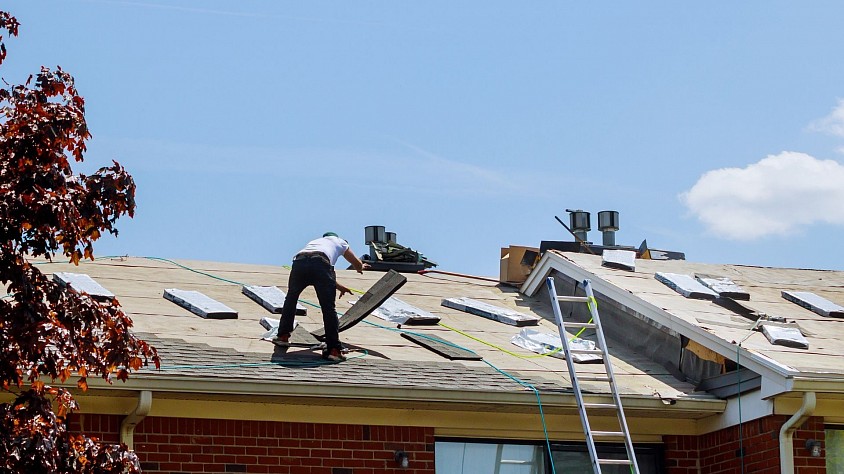
Seasonal Roof Care in Gettysburg: Practical Steps for Long-Lasting Protection
Protecting a home in a historic town with four full seasons takes planning, especially when it comes to shingles, flashing, and ventilation. Local weather swings make materials expand and contract, and that movement can reveal small problems before they become bigger issues. That’s why homeowners often look for roofing contractors near me when storms pass through or when a roof nears the end of its service life. Knowing what to check—and when—helps you act promptly and extend the life of your system.
Why Seasonal Attention Matters in Gettysburg
Gettysburg’s hot summers, sudden downpours, and icy winters are rough on asphalt and metal surfaces alike. Summer heat can dry out sealants around penetrations. Fall leaves clog gutters. Winter freeze-thaw cycles loosen nails and open seams. A thoughtful, seasonal approach lets you catch early signs of trouble, plan repairs on your schedule, and preserve curb appeal.
Early Signs That Demand a Closer Look
Not every issue is visible from the ground, but many are. Curled shingle edges, granules washing into downspouts, dark streaks near vents, sagging gutters, or a damp attic after rain all deserve attention. During spring and fall walkthroughs, scan valleys, skylights, chimneys, and ridge lines. If you’re unsure what you’re seeing, calling a roofer gettysburg pa for a quick assessment can clarify your next step.
Local Knowledge Helps
The climate in Adams County rewards crews who know how materials behave here. Roofing gettysburg pa projects often consider shade from mature trees, historic architecture, and the way snow sheds off different pitches. When you speak with roofing contractors gettysburg, ask about underlayment choices, ice barrier placement along eaves, and attic airflow. Small specification tweaks can make a big difference in performance during January thaws or late-summer storms.
A Simple Homeowner Checklist
Use this homeowner-friendly checklist to stay ahead of common issues. When in doubt, schedule an inspection for safety and accuracy.
1) Inspect from the ground: Look for missing tabs, lifted edges, or uneven lines after wind events. Binoculars help without risking a fall.
2) Clear gutters and downspouts: Keep water moving away from fascia and foundations. Recheck after heavy leaf drop and spring pollen.
3) Check attic conditions: After a storm, look for damp insulation, stained decking, or daylight where it shouldn’t be. Adequate ventilation reduces moisture and heat buildup.
4) Evaluate flashing: Areas around chimneys, vents, and sidewalls should sit tight and lie flat. Discoloration or rust can indicate a failing seal.
5) Trim overhanging branches: Prevent abrasion in wind and reduce leaf accumulation. Maintain a safe distance between limbs and the roof surface.
6) Monitor granule loss: A steady trickle of granules in gutters can signal aging shingles and the need to plan for replacement.
7) Schedule routine evaluations: A periodic visit helps prioritize maintenance and document condition for future planning.
When It’s Time for Focused Repairs
Timely attention can turn a leak into a quick fix rather than a widespread problem. If water stains appear on ceilings, or you notice damp sheathing, seek roof repair gettysburg professionals who understand local codes and weather patterns. Prompt work on nail pops, torn shingles, and loose flashing helps keep underlayment dry and decking solid. Addressing ventilation imbalances can also reduce stress on shingles and improve indoor comfort.
Choosing a Trusted Local Pro
Experience, material knowledge, and clear communication matter. Ask about manufacturer training, written scopes of work, and how crews protect landscaping. A roofer gettysburg pa with a consistent local presence is more likely to understand neighborhood styles, common trouble spots, and how to stage work around seasonal rain. When you’re searching for roofing contractors near me, read recent homeowner feedback and request photos of similar projects in town to gauge craftsmanship.
Smart Seasonal Roofing Care for South-Central Pennsylvania Homes
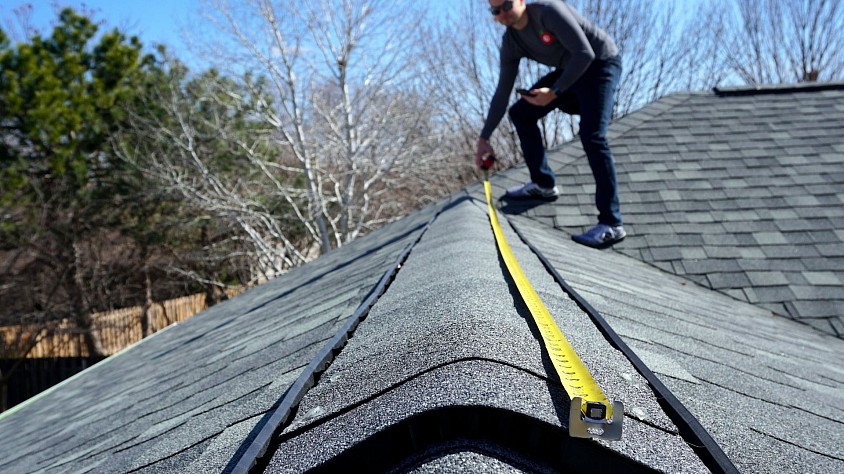
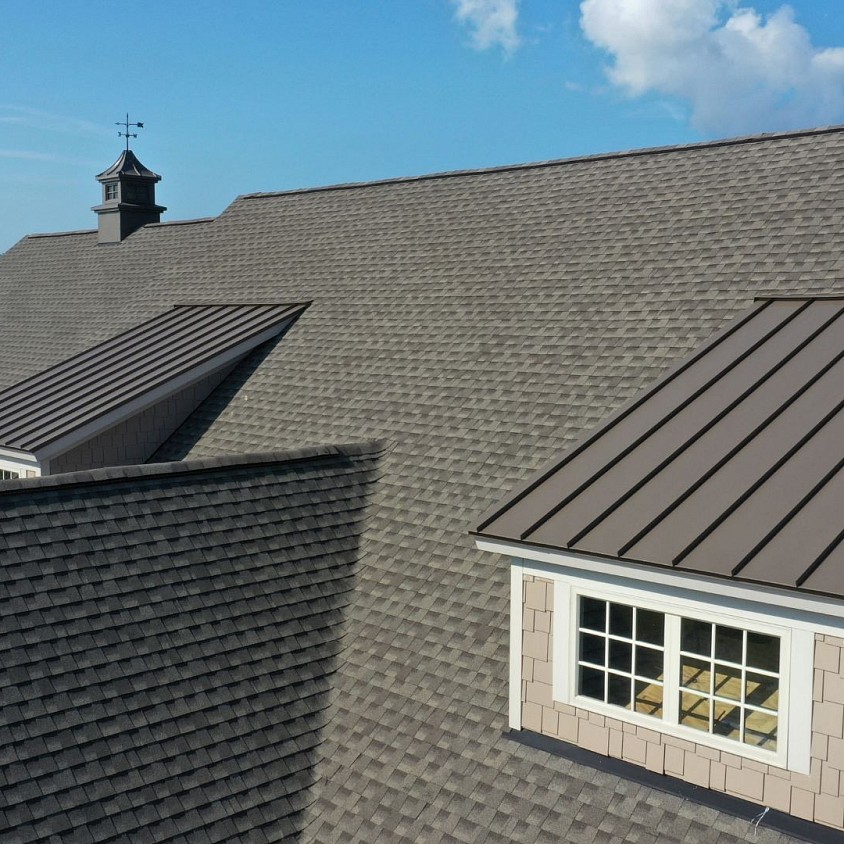
Homes in and around Adams and York counties see four distinct seasons, each with unique stressors. Spring winds lift shingle edges, summer heat bakes sealants, autumn leaves clog gutters, and winter freeze-thaw cycles pry open small gaps. Regular visual checks from the ground after major weather help spot missing shingles, granule loss, lifted flashing, and sagging gutters. Catching small issues early keeps moisture out of the deck and attic, reduces interior staining, and helps preserve curb appeal. For homeowners searching terms like roofing contractors near me, hiring a qualified local pro ensures these subtle problems are recognized before they become leaks.
Materials That Match the Climate
Asphalt shingles remain a popular choice because they handle temperature swings well and come in profiles that complement historic neighborhoods. Lighter colors can reflect summer heat, while impact-rated options resist hail better than standard shingles. Metal roofing, when appropriate for the home, offers durability and quick shedding of snow. In areas like roofing gettysburg pa, proper underlayments and ice barriers are crucial along eaves and valleys where snow melts and refreezes. Whatever material you choose, confirm it carries reputable manufacturer ratings for wind uplift and algae resistance suited to Mid-Atlantic conditions.
Ventilation and Insulation Make or Break Performance
A roof is only as healthy as the attic beneath it. Balanced intake and exhaust ventilation allow hot, moist air to escape, preventing premature shingle aging and winter ice dams. Soffit vents paired with ridge vents promote steady airflow; without both, moisture can condense on rafters and foster mold. Adequate insulation keeps indoor heat from melting rooftop snow, which then refreezes at the eaves. Homeowners seeking roof repair gettysburg should ask contractors to evaluate ventilation alongside any shingle or flashing work, since correcting airflow often resolves recurring cold-weather issues.
Storm Readiness, Step by Step
When summer downpours or nor’easters roll through, preparation limits damage. Keep this simple routine:
- Trim branches away from the roof and power lines.
- Clear gutters and downspouts so water can exit fast.
- Secure loose fascia, soffits, and flashing.
- Review attic for daylight at penetrations and damp insulation.
- Photograph roof conditions seasonally for reference during claims.
These steps, combined with timely maintenance, reduce emergency calls and help homeowners document conditions if wind or hail strikes. Many residents rely on knowledgeable roofer gettysburg pa professionals to inspect sealants around chimneys, skylights, and vent stacks before peak storm months.
Choosing Local Expertise You Can Trust
Experience with historic homes, rolling farmland winds, and freeze-thaw cycles matters. Local specialists understand township requirements and typical neighborhood roof profiles. If you’re comparing roofing contractors gettysburg, ask about training, manufacturer program status, and whether crews follow best practices for fastener placement, starter courses, and step-flashing integration along sidewalls. Clear, written scopes that call out underlayment type, ridge vent brand, and flashing metals protect your investment. Homeowners searching roofing gettysburg pa can also request a maintenance plan that schedules seasonal checkups, ensuring the roof’s protective layers perform year-round. With the right guidance, small fixes like resealing flashing or reattaching a starter shingle can extend service life and delay major replacement, saving money while keeping homes dry and comfortable.
Weather-Smart Roofing Strategies for Homes in Gettysburg, PA
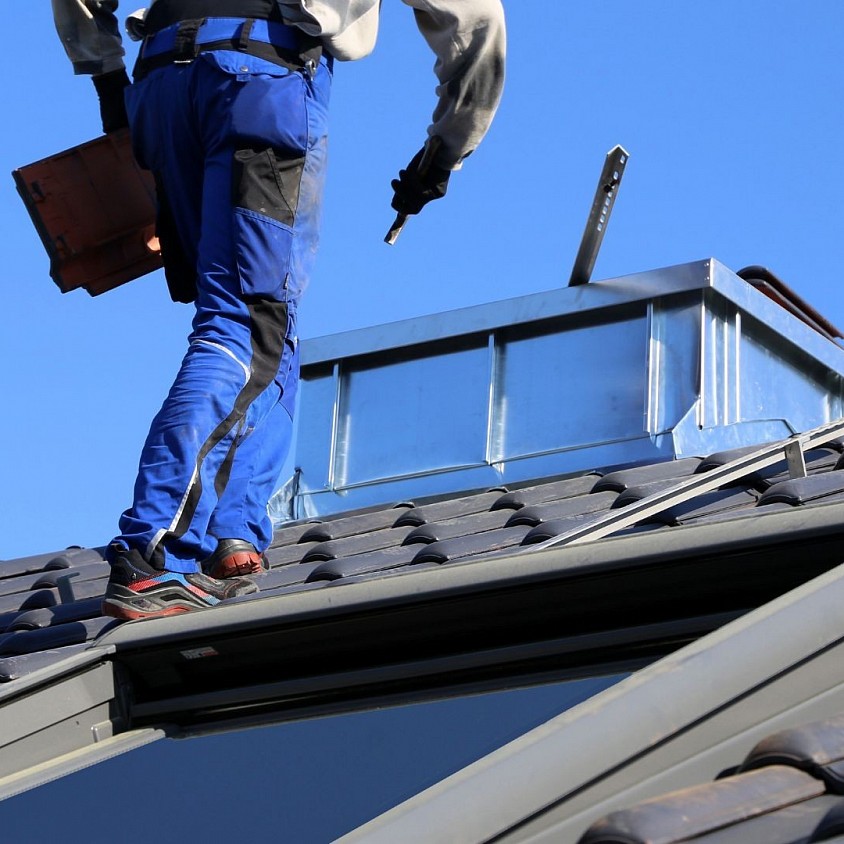
Gettysburg’s blend of summer heat, sudden downpours, and icy winters can be tough on shingles, flashing, and ventilation components. Homeowners benefit from consistent upkeep and timely guidance from roofing professionals who know the region. Whether planning preventive care or scheduling urgent fixes, tapping into roofing gettysburg pa expertise keeps a home protected through every season.
Why Regional Experience Matters
Pennsylvania’s seasonal shifts demand materials and methods that match local conditions. A roofer gettysburg pa will understand how freeze-thaw cycles stress sealants, why attic airflow affects winter ice formation, and which shingle profiles handle gusty thunderstorms. That local insight also helps identify early warning signs—minor granule loss, lifted edges, or subtle staining—before they become leaks. When questions arise, many homeowners start by asking about roofing contractors near me and then compare credentials, warranties, and communication styles to find a dependable fit.
Signs It’s Time to Act
Small problems rarely stay small on a roof. If shingles curl, flashing looks loose, or ceiling spots appear after a storm, it’s wise to move quickly. Timely roof repair gettysburg can stop moisture from traveling into insulation and framing. A prompt inspection often reveals cost-effective options: targeted shingle replacement, flashing reseal, or improved attic ventilation to reduce heat buildup and moisture. Acting on these cues keeps repair scopes manageable and extends useful service life.
Choosing Skilled Help
Homeowners often prioritize proven workmanship, clear estimates, and responsive service. It can help to review photos of past projects, ask about training with well-regarded shingle brands, and confirm proper licensing and insurance. Many people also look for references from neighbors and local community groups. When comparing roofing contractors gettysburg, seek out teams that explain material options plainly and outline what to expect from the first visit through final cleanup.
Seasonal To-Do List for Lasting Performance
A straightforward maintenance routine supports long-term durability and curb appeal. Consider this checklist each year:
1) Inspect after major storms: Walk the property, check for missing shingles, lifted edges, and debris in valleys and gutters.
2) Keep gutters and downspouts clear: Free-flowing drainage prevents water from backing up under shingles and along fascia.
3) Monitor attic conditions: Adequate ventilation and insulation help regulate temperature, reduce condensation, and ease winter stress.
4) Trim overhanging branches: Limbs can scrape granules, drop debris, and invite pests; maintain a safe clearance from the roofline.
5) Watch for discoloration or moss: Stains can indicate trapped moisture; prompt cleaning and improved airflow can reduce recurrence.
6) Review flashing and seals: Pay attention around chimneys, vents, and skylights—these transitions are common leak points.
7) Schedule periodic professional checkups: A trained eye can pinpoint developing issues and recommend measured repairs.
Budgeting and Long-Term Planning
Budget-friendly roofing in Gettysburg often comes down to timing and prioritization. Addressing small fixes first helps avoid structural water damage and indoor repairs. When weighing material upgrades, think about longevity, energy performance, and warranty coverage that fits the home’s needs. A roofer gettysburg pa can walk through pros and cons of various shingle styles and underlayments, helping match local weather patterns and aesthetic goals without overspending.
Storm Readiness and Rapid Response
Thunderstorms and late-season snow can arrive fast. Being prepared—tarp availability, a trusted contact for emergencies, and clear access to the property—speeds up assistance. When time is of the essence, homeowners often rely on established roofing contractors gettysburg for quick assessments and focused fixes. That readiness reduces exposure to further damage and supports a smoother path to restoration.
Closing Thoughts
Strong results start with informed choices, consistent upkeep, and reputable help. Whether you’re evaluating small fixes or planning upgrades, searching for roofing contractors near me can connect you with teams who understand the region’s weather curveballs. Local insight, quality materials, and steady maintenance work together to safeguard value—and ensure roofs in Gettysburg stand up to the next season’s demands.
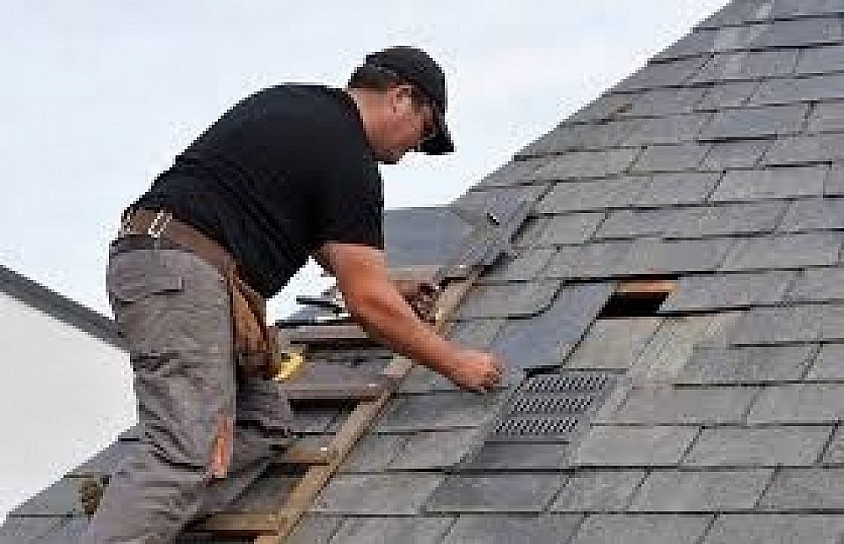
Seasonal Roofing Decisions for Lasting Protection in Gettysburg Homes
Climate Realities in Adams County
From humid summers to snow-packed winters, local weather patterns demand durable, airtight roofing systems. Hail, high winds, and rapid freeze-thaw cycles can loosen shingles, open nail holes, and strain flashing. For homeowners comparing options in roofing gettysburg pa, performance in changing seasons should guide every decision—especially when evaluating underlayments, ventilation pathways, and edge details that fortify the roof against wind-driven rain and ice.
Material Choices That Stand Up
Owens Corning Asphalt Shingle Roof Replacements, installed as complete systems, provide layered protection with balanced curb appeal. Shingle technology, when paired with proper ice and water barriers, helps resist wind uplift and water intrusion. For long-term resilience and sleek lines, Standing Seam Metal Roof Installation or Replacement offers interlocking panels that shed snow efficiently and reduce maintenance touchpoints. Homes with aging exteriors can also benefit from Vinyl Siding Replacements, which refresh curb appeal while helping to manage moisture around wall assemblies.
Ventilation and Insulation Matter
Even perfectly sealed roofs can struggle without airflow. Effective attic ventilation reduces heat buildup in July and minimizes condensation in January. Balanced intake at the eaves and exhaust at the ridge encourages continuous air movement. Pairing ventilation with adequate attic insulation helps stabilize indoor temperatures and relieves stress on shingles or metal panels. Homeowners who search for roofing contractors near me often overlook this hidden performance factor, yet it drives the lifespan of any roof system and helps protect warranties.
When to Repair vs. Replace
Not every issue calls for a full replacement. Targeted maintenance can extend service life and control costs. Consider a focused approach when you notice:
- Curled or cracked shingles in isolated areas
- Minor flashing separations around chimneys or skylights
- Loose ridge caps or missing sealant at penetrations
- Small leaks after wind-driven rain
- Granule loss localized to sun-baked slopes
Timely attention to these warning signs can prevent sheathing damage and interior staining. For sudden leaks, homeowners seeking roof repair gettysburg should prioritize quick response, protective tarping when necessary, and a clear plan that addresses root causes—not just the visible symptoms.
Design Details That Make the Difference
Little things turn into big things on a roof. Properly sized drip edge keeps runoff away from fascia. Starter courses aligned with manufacturer specs help block wind lift at the eaves. Clean, continuous valleys channel stormwater instead of trapping debris. For standing seam systems, aligned clips and correct panel spacing allow for thermal movement without buckling. These execution details separate average outcomes from long-lasting performance and are especially relevant to anyone comparing options from roofing contractors gettysburg or speaking with a roofer gettysburg pa about updated materials.
Planning Your Project Timeline
Seasonal scheduling can impact installation windows. Spring and fall often provide favorable temperatures for shingle adhesion and sealant curing, while summer metal work benefits from predictable drying times. Build in lead time for color selections, material delivery, and coordination with gutter or siding improvements. When aligned thoughtfully, a complete shingle system, a standing seam upgrade, or a siding refresh can raise both protection and property value for years to come across Gettysburg and surrounding communities.
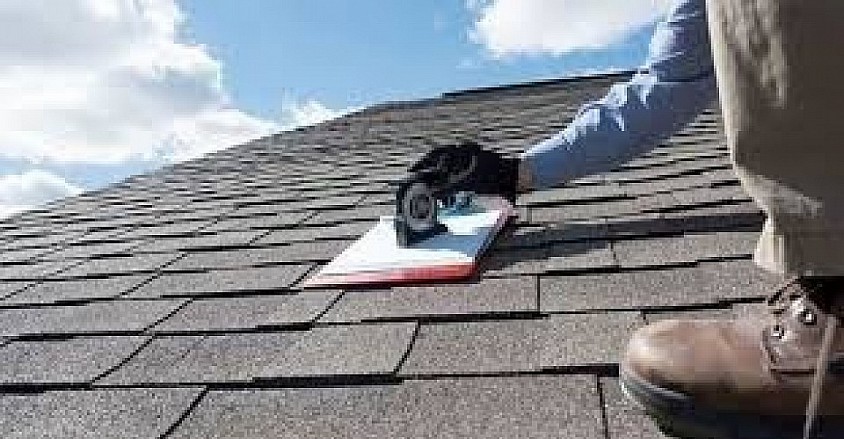
Weather-Smart Roofing Choices for Lasting Protection in Gettysburg
HOMEOWNER’S GUIDE TO RESILIENT ROOFS
Gettysburg’s mix of winter freeze-thaw cycles, spring windstorms, and humid summers can be tough on shingles and flashing. Choosing the right materials and a proven installer is the first defense against premature wear, leaks, and escalating maintenance. Many residents start by looking up roofing contractors near me, but a smart decision goes beyond proximity. It involves understanding local weather, material performance, and workmanship standards.
SEASONAL CHALLENGES IN ADAMS COUNTY
Colder months bring ice dams and expansion that stress brittle shingles and aged sealants. Spring gusts can lift edges and expose fasteners. By late summer, UV exposure and heat accelerate granule loss. Urgent roof repair gettysburg often follows a major storm, yet a proactive inspection schedule prevents small issues from turning into widespread interior damage. When evaluating roofing gettysburg pa options, consider how each system stands up to these specific conditions.
WHY MATERIAL CHOICE MATTERS
Material selection is a long-term investment. Owens Corning Asphalt Shingle Roof Replacements (complete systems) pair advanced underlayments, proper ventilation components, and high-performance shingles to form a cohesive barrier against wind and water. For homeowners who want a sleek profile and exceptional durability, Standing Seam Metal Roof Installation/Replacement offers interlocking panels and concealed fasteners that shed water and resist uplift. If curb appeal and energy efficiency at the wall line are priorities, Vinyl Siding Replacements can refresh a home’s exterior while supporting a tight building envelope.
WHEN TO CALL A PRO
A seasoned roofer gettysburg pa can spot subtle failures—nail pops, buckling, lifted flashing, or worn pipe boots—before water stains appear on ceilings. If shingles curl, granules collect in gutters, or sunlight is visible in the attic, it’s time to schedule an evaluation. Many homeowners also reach out to roofing contractors gettysburg after noticing wind-driven rain around chimneys or valleys. Timely action preserves decking, prevents mold, and extends the service life of your system.
CHECKLIST FOR CHOOSING A LOCAL TEAM
Before signing a contract, use this practical checklist to compare providers and safeguard your investment:
1) Verify credentials and coverage: Request proof of licensure and active liability and workers’ compensation insurance.
2) Ask about complete systems: For asphalt, confirm underlayment type, starter and ridge components, ventilation strategy, and flashing details.
3) Confirm material sourcing: Ensure shingles, metal panels, and accessories come from reputable manufacturers with written warranties.
4) Review attic and ventilation plan: Proper intake and exhaust ventilation supports shingle longevity and reduces moisture buildup.
5) Insist on written scopes: A clear scope should outline tear-off, decking repairs if needed, flashing replacements, disposal, and site cleanup.
6) Discuss scheduling and protection: Ask how landscaping, driveways, and neighboring properties will be protected during the project.
7) Evaluate communication: Consistent updates and a single point of contact keep projects on track and minimize surprises.
LONG-TERM VALUE AND MAINTENANCE
The real savings come from durable assemblies and upkeep. After a replacement, plan seasonal checkups—especially after high winds or heavy snow. Keep gutters clear to prevent ice dams, trim overhanging branches, and monitor attic humidity. Thoughtful maintenance supports the full lifespan of Owens Corning Asphalt Shingle Roof Replacements (complete systems) and helps Standing Seam Metal Roof Installation/Replacement retain its crisp, watertight performance. Pairing a new roof with Vinyl Siding Replacements can also bolster energy efficiency and resale value.
NAVIGATING LOCAL DECISIONS
In a historic area like Gettysburg, details matter. Color, profile, and flashing lines should complement architecture while standing strong against the region’s weather. When you narrow your shortlist of roofing contractors gettysburg or search for roofing contractors near me, compare experience with local codes and inspection processes. With careful planning, the right materials, and a trusted roofer gettysburg pa, homeowners can secure a protective, attractive upgrade that stands the test of time—and the seasons.

Weather-Smart Roofing Choices for Gettysburg Homeowners
The Homeowner’s Guide to Durable Roofs in South-Central Pennsylvania
Gettysburg’s changing seasons, from humid summers to icy winters, demand resilient roofing and exterior materials. Local homes face wind-driven rain, freeze-thaw cycles, and heavy tree cover. Choosing the right system—and the right professionals—can protect curb appeal and long-term value. Many homeowners seek roofing contractors gettysburg and a trusted roofer gettysburg pa for thoughtful guidance and workmanship that stands up to the region’s climate.
Understanding Local Climate Pressures
Roofs in this area see rapid temperature swings that stress shingles and sealants. Icicles can signal insulation or ventilation issues, while wind gusts can lift aging shingles. Timely attention helps avoid deck damage and interior leaks. When conditions call for roof repair gettysburg, quick action can prevent small problems from spreading into costly structural concerns.
Asphalt Shingle Replacements with Proven Systems
A popular choice for neighborhood aesthetics and reliable performance is Owens Corning Asphalt Shingle Roof Replacements (complete systems). The advantage lies in a matched set of components: shingles, underlayment, starter strips, vents, and ridge caps designed to work together. Homeowners appreciate color selections that suit historic and newer homes alike, plus balanced ventilation that reduces moisture buildup in attics. When evaluating roofing gettysburg pa options, a complete system approach provides a dependable path to durability and uniform warranty coverage.
Standing Seam Metal for Longevity and Style
Standing Seam Metal Roof Installation/Replacement offers a sleek look and excellent weather resistance. Continuous panels with raised seams shed water efficiently and pair well with snow guards where needed. This style is favored on farmhouses, modern builds, and traditional homes seeking a subtle architectural update. Properly installed metal systems handle high winds and ice while reducing maintenance frequency. For many locals comparing materials with roofing contractors near me, standing seam is a standout for long-term value.
Vinyl Siding Replacements and Coordinated Exteriors
Roofs don’t work alone. Eaves, siding, and trim must channel water away from walls and foundations. Vinyl Siding Replacements can refresh a façade and help manage moisture when combined with proper housewrap and flashing details. Coordinating roof color with siding and accent trim creates a cohesive look while addressing weatherproofing from soffits to splash lines. This whole-home perspective is especially helpful when older homes require phased updates.
How to Evaluate Local Professionals
Selecting trustworthy experts is key. When searching for roofing contractors gettysburg or a roofer gettysburg pa, focus on transparent communication, established craftsmanship, and material expertise. A thorough consultation should consider attic airflow, insulation, and flashing—not just shingle surface issues.
Checklist for Choosing a Local Expert
1. Credentials and specialization: Confirm experience with Owens Corning Asphalt Shingle Roof Replacements (complete systems), Standing Seam Metal Roof Installation/Replacement, and Vinyl Siding Replacements.
2. Roof and attic assessment: Expect photos, clear explanations, and attention to ventilation, decking condition, and moisture patterns.
3. Material options and fit: Discuss shingle profiles, metal panel gauges, coatings, and siding thickness to match your budget and design goals.
4. Local references and site cleanliness: Ask about recent projects nearby and jobsite protection for landscaping and walkways.
5. Detailed scope and timeline: Review tear-off, disposal, flashing details, underlayments, and daily cleanup plans, plus a realistic schedule.
6. Warranty clarity: Understand workmanship coverage and manufacturer-backed protections for the complete system.
7. Storm-readiness: Ensure the team can handle urgent roof repair gettysburg after heavy wind or ice events.
Seasonal Care and Maintenance Tips
Regular inspections—especially after storms—help catch lifted shingles, clogged gutters, and cracked caulk. Trim overhanging branches to minimize abrasion and debris. Keep soffit and ridge vents clear so attics breathe, supporting both shingle life and indoor comfort. When choosing materials with roofing gettysburg pa specialists, ask how to care for your specific system through each season.
The Bottom Line for Gettysburg Homes
Resilient homes come from smart material choices, complete system thinking, and proven installation. Whether comparing shingles, exploring standing seam metal, or planning Vinyl Siding Replacements, partner with roofing contractors near me who understand historic streetscapes and modern performance standards. Thoughtful upgrades now can deliver a quieter, drier, and more energy-savvy home for years to come.
The Importance of Regular Roof Inspections for Long-Term Home Protection
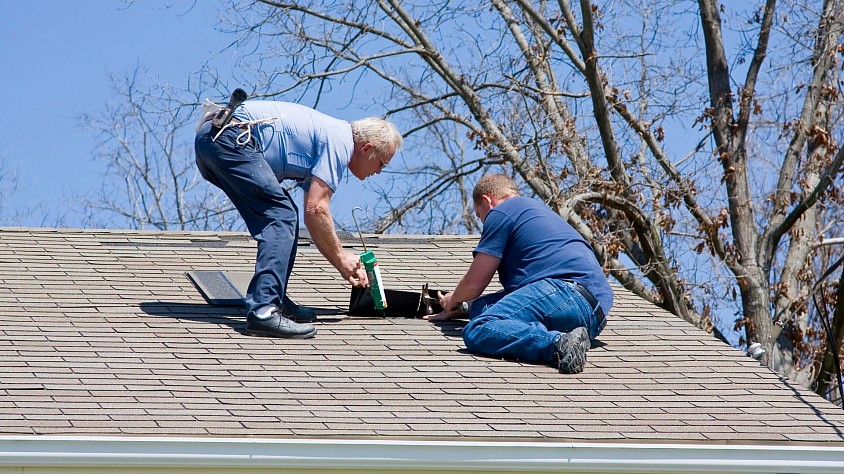
Your roof protects your home from rain, wind, sunlight, and other weather conditions every day. Over time, roofing materials can wear out or become damaged without obvious signs. Regular roof inspections help identify small problems before they become expensive repairs. By checking your roof on a routine basis, you can extend its lifespan, improve safety, and protect your home for many years.
Detect Problems Early
Regular roof inspections help identify small issues such as cracked shingles, loose flashing, or damaged seals before they become major problems. Early detection allows homeowners to fix minor damage quickly, preventing costly repairs and protecting the roof from further deterioration.
Prevent Water Leaks
A small roof leak can lead to serious water damage if left untreated. Moisture can damage ceilings, walls, insulation, and even the home's structure. Routine inspections help locate weak spots where water may enter, allowing repairs to be completed before leaks become severe.
Extend the Life of Your Roof
Every roof has a limited lifespan, but regular maintenance and inspections can help it last much longer. Replacing damaged materials, cleaning debris, and repairing small defects reduce wear and tear. Proper care delays the need for a full roof replacement and saves money over time.
Improve Home Safety
A damaged roof can become a safety risk for your family. Loose shingles, weakened structures, and hidden leaks may lead to accidents or structural damage during storms. Regular inspections ensure the roof remains strong and secure, giving homeowners greater peace of mind.
Save Money on Repairs
Minor roof repairs are usually much less expensive than fixing major structural damage. By identifying issues early, homeowners can avoid emergency repairs and costly water damage. Preventive maintenance is a smart investment that reduces long-term roofing expenses.
Schedule Professional Roof Inspections
While homeowners can perform basic visual checks, professional roof inspections provide a more detailed assessment. Roofing experts can identify hidden damage that may not be visible from the ground. Scheduling professional inspections once or twice a year helps keep your roof in excellent condition and ensures long-term protection for your home.
How Proper Roof Ventilation Improves Energy Efficiency and Roof Lifespan
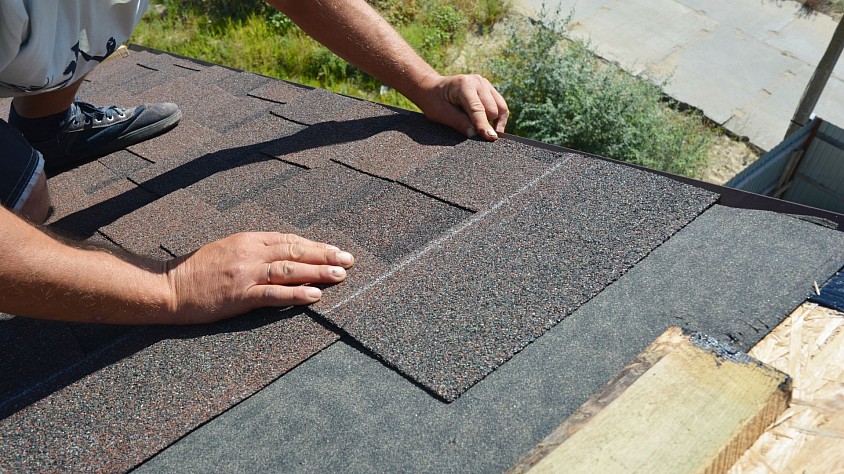
Roof ventilation is an important part of every roofing system, yet many homeowners overlook its benefits. A properly ventilated roof allows fresh air to circulate through the attic while removing excess heat and moisture. Good ventilation improves indoor comfort, reduces energy costs, and helps roofing materials last longer by preventing unnecessary damage.
Reduces Heat Build-Up
During hot weather, attics can become extremely warm if there is poor ventilation. Excess heat transfers into the living space, making air conditioners work harder. Proper roof ventilation removes hot air from the attic, helping keep your home cooler and lowering energy consumption.
Prevents Moisture Damage
Moisture can build up inside the attic from everyday activities such as cooking, bathing, and laundry. Without proper ventilation, this moisture becomes trapped and can cause mold growth, wood rot, and insulation damage. Good airflow removes excess moisture and keeps the attic dry.
Extends Roof Lifespan
High temperatures and trapped moisture can cause roofing materials to age faster. Shingles may crack, curl, or deteriorate prematurely when exposed to excessive heat. Proper ventilation protects roofing materials from these conditions, helping the roof last longer and reducing the need for frequent repairs.
Improves Energy Efficiency
A well-ventilated roof helps maintain a stable indoor temperature throughout the year. During summer, it reduces heat buildup, while in winter it helps prevent excess moisture that can affect insulation. This balanced airflow improves energy efficiency and lowers heating and cooling costs.
Prevents Ice Dams in Cold Climates
In colder regions, poor roof ventilation can contribute to the formation of ice dams. Warm attic air melts snow on the roof, and the water refreezes near the roof edges. Proper ventilation keeps attic temperatures more consistent, reducing the risk of ice dams and water damage.
Maintain Your Roof Ventilation System
Roof vents should be inspected regularly to ensure they are free from dust, leaves, nests, or other blockages. Homeowners should also make sure attic insulation does not block airflow. Regular maintenance keeps the ventilation system working efficiently, protecting both the roof and the home throughout the year.
Signs Your Roof Needs Repair Before Small Issues Become Major Damage
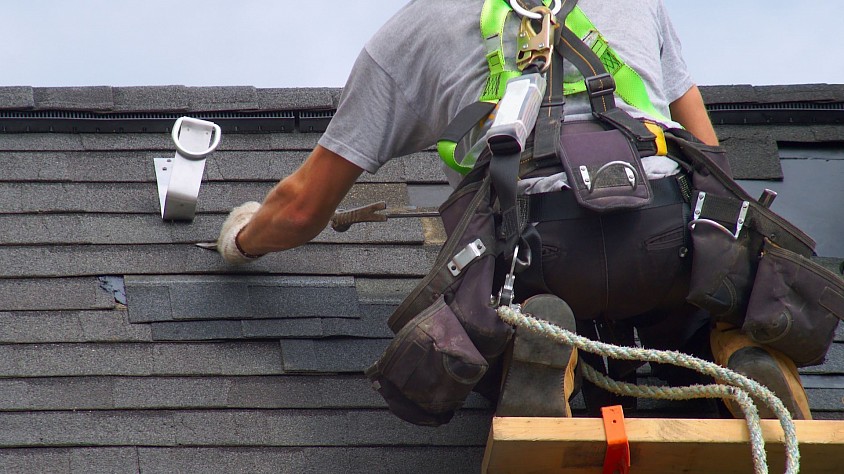
Your roof protects your home from harsh weather and keeps your family safe throughout the year. However, even a strong roof can develop problems over time due to age, storms, or normal wear and tear. Recognizing the early warning signs of roof damage allows homeowners to make timely repairs before small issues become expensive structural problems. Regular inspections and quick action can extend the life of your roof and prevent costly replacements.
Missing or Damaged Shingles
Missing, cracked, or curled shingles are among the first signs that your roof needs attention. Damaged shingles expose the roof to rain and moisture, increasing the risk of leaks and structural damage. Replacing them quickly helps maintain the roof's protective layer and prevents further deterioration.
Water Stains on Ceilings and Walls
Brown stains or damp spots on ceilings and walls often indicate a roof leak. Even a small leak can allow water to enter your home and damage insulation, drywall, and wooden structures. Addressing leaks early helps avoid mold growth and expensive interior repairs.
Sagging Roof Sections
A roof should always appear straight and level. If you notice sagging areas, it may indicate trapped moisture, weakened decking, or structural damage. A sagging roof requires immediate professional inspection because it can become a serious safety concern if ignored.
Granules in the Gutters
If you find large amounts of shingle granules in your gutters, it may be a sign that your roof is aging. These granules protect shingles from sunlight and harsh weather. As they wear away, shingles become less effective and more vulnerable to damage, making repairs or replacement necessary.
Moss and Algae Growth
Moss, algae, and mold growing on your roof can trap moisture against roofing materials. Over time, this moisture may weaken shingles and cause wood rot beneath the roof surface. Regular cleaning and maintenance help prevent these issues and keep your roof in good condition.
Schedule a Professional Roof Inspection
If you notice any of these warning signs, it is best to contact a professional roofing contractor. A detailed inspection can identify hidden damage and recommend the appropriate repairs. Taking action early helps prevent small roofing problems from turning into costly repairs and extends the lifespan of your roof.
Roofing Inspection and Leak Prevention Tips for Gettysburg Homeowners

Gettysburg homes face year-round weather stress, from snow and ice in winter to wind-driven rain in spring and humid summer heat. These conditions make regular roof inspection one of the most effective ways to prevent leaks and extend roof life. Small issues rarely stay small, especially when moisture finds its way beneath shingles or flashing.
Routine Visual Inspections and Early Detection
A simple ground-level inspection after storms can reveal early warning signs such as missing shingles, lifted edges, or debris buildup in valleys. Inside the home, ceiling stains, peeling paint, or musty attic odors often indicate hidden moisture intrusion. Catching these signs early helps prevent structural damage to decking, insulation, and framing.
Critical Roof Areas That Require Attention
Most leaks do not begin in the center of the roof but at transition points. Chimneys, skylights, dormers, and roof valleys are the most vulnerable areas. Flashing around these features should be checked for cracks, separation, or corrosion. Pipe boots and vent seals are also common failure points, especially in older roofing systems exposed to repeated freeze-thaw cycles.
Gutters, Drainage, and Water Flow Control
Clogged gutters are a leading cause of roof-related water damage. When drainage is blocked, water can back up under shingles and into fascia boards. Regular cleaning, especially during fall leaf season, ensures proper flow. Downspouts should extend away from the foundation to prevent pooling that can indirectly affect roof edges and siding.
Preventing Ice Dams in Winter Conditions
Ice dams form when heat escapes into the attic and melts snow unevenly on the roof surface. The refrozen meltwater at the edges forces water backward under shingles. Proper attic insulation and ventilation are the most effective defenses. Roof edge protection, such as ice-and-water membranes, also helps reduce winter leak risk.
Maintenance Timing and Preventive Strategy
The most effective inspection schedule follows the seasons. Spring focuses on winter damage, summer on heat stress, fall on debris removal, and winter on ice monitoring. A consistent routine reduces emergency repairs and helps homeowners plan maintenance before minor issues escalate into costly damage.
Standing Seam Metal and Asphalt Roofing Options for Gettysburg Residences

Gettysburg homeowners often choose between two leading roofing systems: standing seam metal and asphalt shingles. Each offers distinct advantages depending on architectural style, budget, and long-term performance expectations. Understanding how these systems behave in Pennsylvania’s climate helps guide better decisions.
Asphalt Shingles: Versatile and Cost-Effective Protection
Architectural asphalt shingles remain the most common roofing choice due to their affordability and adaptability. They perform well on steep and complex rooflines and come in a wide range of colors and textures that complement historic and modern homes alike. Modern versions offer improved wind resistance, UV protection, and impact durability compared to traditional shingles.
Standing Seam Metal Roofing: Long-Term Durability
Standing seam metal roofs are known for exceptional longevity and resistance to severe weather. Their raised seams and concealed fasteners minimize leak points, while their smooth surface sheds snow and rain efficiently. This makes them particularly effective in areas with heavy precipitation or freeze-thaw cycles. Metal roofing also reflects solar heat, improving energy efficiency during summer months.
Performance in Local Weather Conditions
Gettysburg’s seasonal extremes test both materials differently. Asphalt shingles may experience granule loss and thermal expansion over time, while metal roofs expand and contract but maintain structural integrity when properly installed. Both systems require correct underlayment and flashing to perform optimally in wind-driven rain and snow conditions.
Aesthetic and Architectural Considerations
Asphalt shingles often blend seamlessly with traditional Colonial, Victorian, and farmhouse-style homes. Standing seam metal roofing, on the other hand, suits both modern designs and rural structures when finished in muted or historically appropriate tones. The choice often depends on balancing visual character with performance priorities.
Installation Quality as a Deciding Factor
Regardless of material, installation quality determines long-term success. Proper fastening, precise flashing, and ventilation integration are essential for both systems. Poor installation can compromise even the highest-quality roofing material, making skilled workmanship a critical factor in system performance.
Attic Ventilation and Roof Performance Insights for South-Central Pennsylvania

Attic ventilation is one of the most overlooked yet critical components of roofing performance in south-central Pennsylvania. Proper airflow regulates temperature, controls moisture, and significantly extends the life of roofing materials. Without it, even high-quality roofs can deteriorate prematurely.
The Role of Balanced Airflow in Roof Health
Effective ventilation relies on a balance between intake and exhaust airflow. Soffit vents allow cool air to enter the attic, while ridge vents or roof-mounted exhaust systems allow warm, moist air to escape. This continuous circulation prevents heat buildup in summer and condensation in winter.
Moisture Control and Structural Protection
Excess moisture in the attic can lead to mold growth, wood rot, and insulation degradation. In colder months, warm interior air rising into a poorly ventilated attic can condense on cold roof decking, accelerating decay. Proper ventilation reduces this risk by maintaining stable humidity levels and temperature balance.
Energy Efficiency and Indoor Comfort
A well-ventilated attic reduces the workload on HVAC systems. In summer, it prevents trapped heat from radiating into living spaces. In winter, it helps maintain consistent roof temperatures, reducing the likelihood of ice dams. This balance improves energy efficiency and lowers utility costs throughout the year.
Common Ventilation Mistakes to Avoid
One frequent issue is blocked soffit vents caused by insulation overfill, which restricts airflow. Another is relying solely on exhaust vents without adequate intake, creating negative pressure that disrupts circulation. Improperly installed bathroom or kitchen vents that discharge into the attic can also introduce excess moisture.
Long-Term Roof Performance Benefits
When properly designed, attic ventilation enhances the lifespan of shingles, metal panels, and roof decking. It also preserves insulation performance and reduces seasonal damage caused by temperature fluctuations. In regions like Gettysburg, where weather conditions vary dramatically, ventilation is not optional—it is essential for long-term roof reliability.
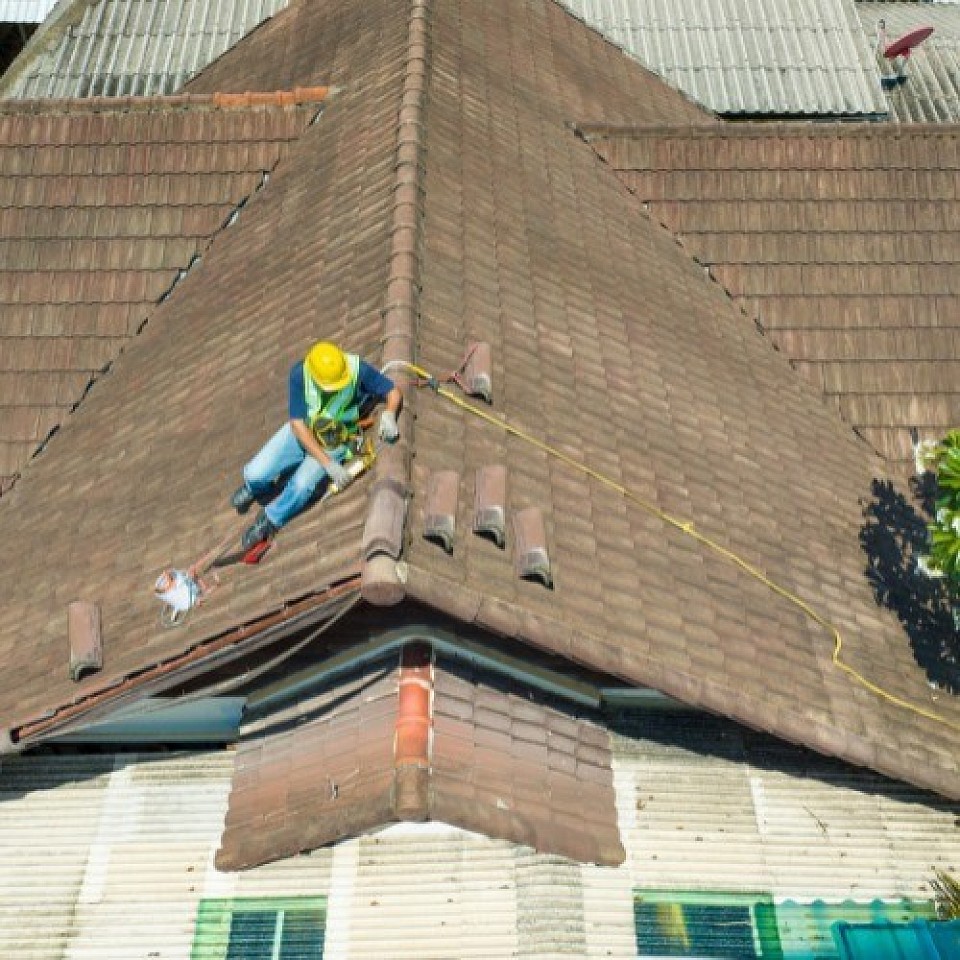
Smart Seasonal Roof Care for South-Central Pennsylvania Homes
- Understanding regional weather, common materials, and timely maintenance can extend the life of any residential roof. Homeowners comparing roofing gettysburg pa options often face wide swings in temperature, high humidity, and occasional hail. Planning for these conditions keeps minor issues from turning into major expenses and protects curb appeal and energy efficiency.
Weather Realities in Adams and York Counties
- Local roofs endure freeze-thaw cycles, summer heat, and steady rainfall. Ice dams can creep under shingles after sudden warm-ups, while UV exposure can dry out sealant lines. Tree overhangs add debris and moisture. A roofer gettysburg pa homeowners trust will evaluate sun exposure, nearby foliage, roof pitch, and drainage patterns to recommend practical upgrades that suit the neighborhood and the home’s age.
Materials, Ventilation, and Energy Savings
- Asphalt shingles remain a leading choice for their balance of cost, durability, and style. Impact-rated products help with hail, and lighter colors can moderate attic temperatures. Proper underlayment resists wind-driven rain, while flashing details around chimneys, valleys, and skylights keep vulnerable seams secure. Equally important, attic ventilation and insulation work together to reduce heat buildup, limit condensation, and stabilize indoor comfort. Before summer peaks, ask roofing contractors near me about ridge vents, intake vents, and insulation values that match your roof’s layout.
Preventive Maintenance Checklist
- A twice-yearly roof walk-through from roofing contractors gettysburg can uncover small items before they spread. Key items to watch:
- Shingle edges lifting, blistering, or granule loss
- Nail pops, cracked sealant, and loose flashing
- Stains on soffits or fascia that hint at hidden leaks
- Gutter clogs, sagging sections, and downspout backups
- Moss or algae growth in shaded zones
- Rust on metal components and exposed fasteners
- Pair inspections with gutter cleaning and a ground-level scan after storms. Quick documentation with photos makes any future claim or warranty conversation smoother.
When Repairs Can’t Wait
- A sudden leak, missing shingles after a gusty front, or water spots on ceilings calls for fast action. Tarping is a short-term safety step; however, professional diagnostics ensure the source—often a few feet uphill from the visible drip—is truly corrected. For urgent roof repair gettysburg homeowners benefit from a prompt response that prioritizes flashing points, pipe boots, and valley transitions, where most penetrations occur and leaks begin.
Choosing Local Expertise That Fits Your Home
- Credentials, material training, and clear communication matter. Look for established teams with manufacturer-backed certifications and documented safety practices. Ask for local references and jobsite photos that reflect your roof style and pitch. Savvy homeowners vet warranties in writing and confirm that ventilation, flashing, and drip-edge details are included in the scope—not treated as extras. When evaluating roofing gettysburg pa providers, prioritize responsiveness, transparent proposals, and maintenance guidance that extends the roof’s service life.